Details: glass, hardware, colours, collections
The glass, hardware, colours and collections that go with every Glazing system.
5 in this category
Cross-section of a triple-glazed unit held vertically in a gloved hand against a bright window, sharp focus on the two black warm-edge spacers and the argon cavities, background thrown fully out.
4:3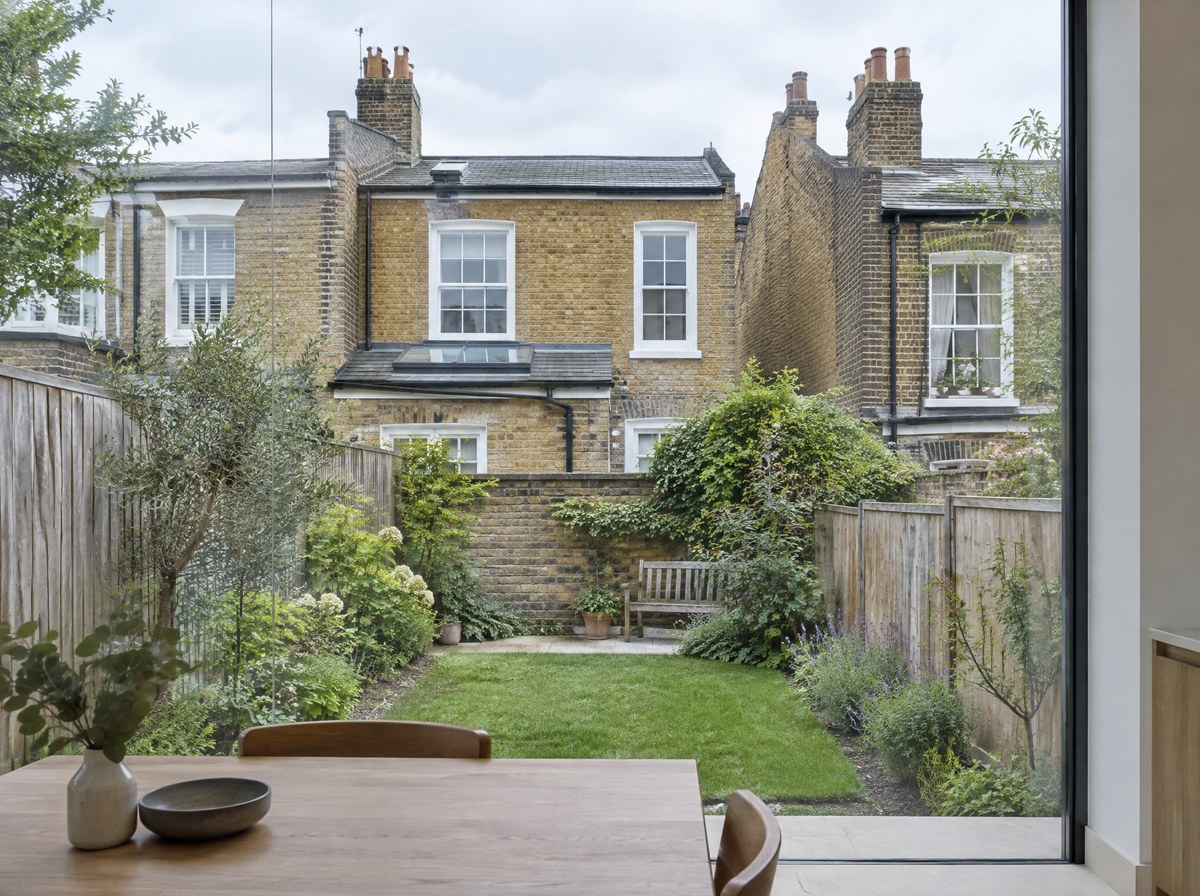
Glass
Close-up at 45 degrees of a matt black lever handle and concealed hinge on a half-open aluminium door leaf, morning light raking across the finish, the five locking points visible along the open edge.
4:3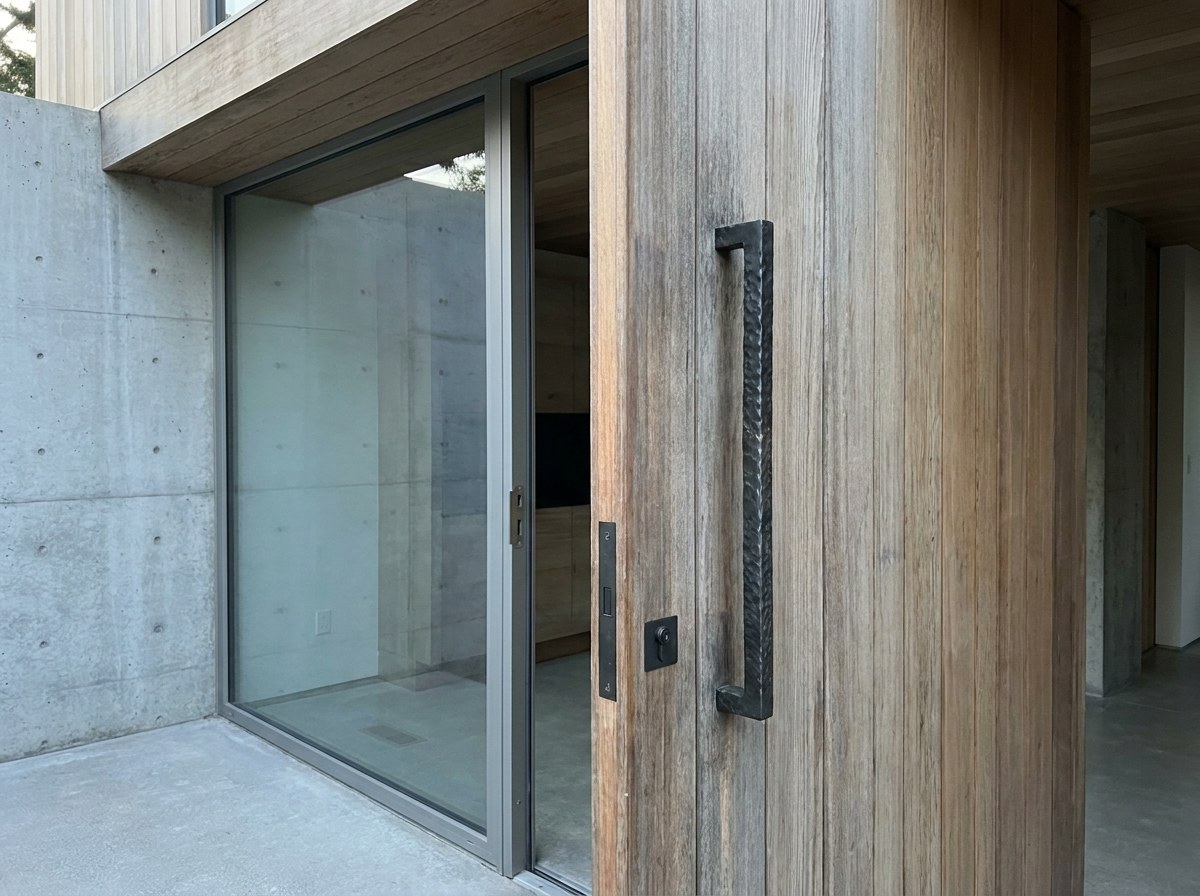
Hardware
Twenty powder-coated aluminium sample bars fanned across a dark studio surface with anodised bronze at the centre, lit square-on so the matt, satin and Sablé textures are distinguishable.
4:3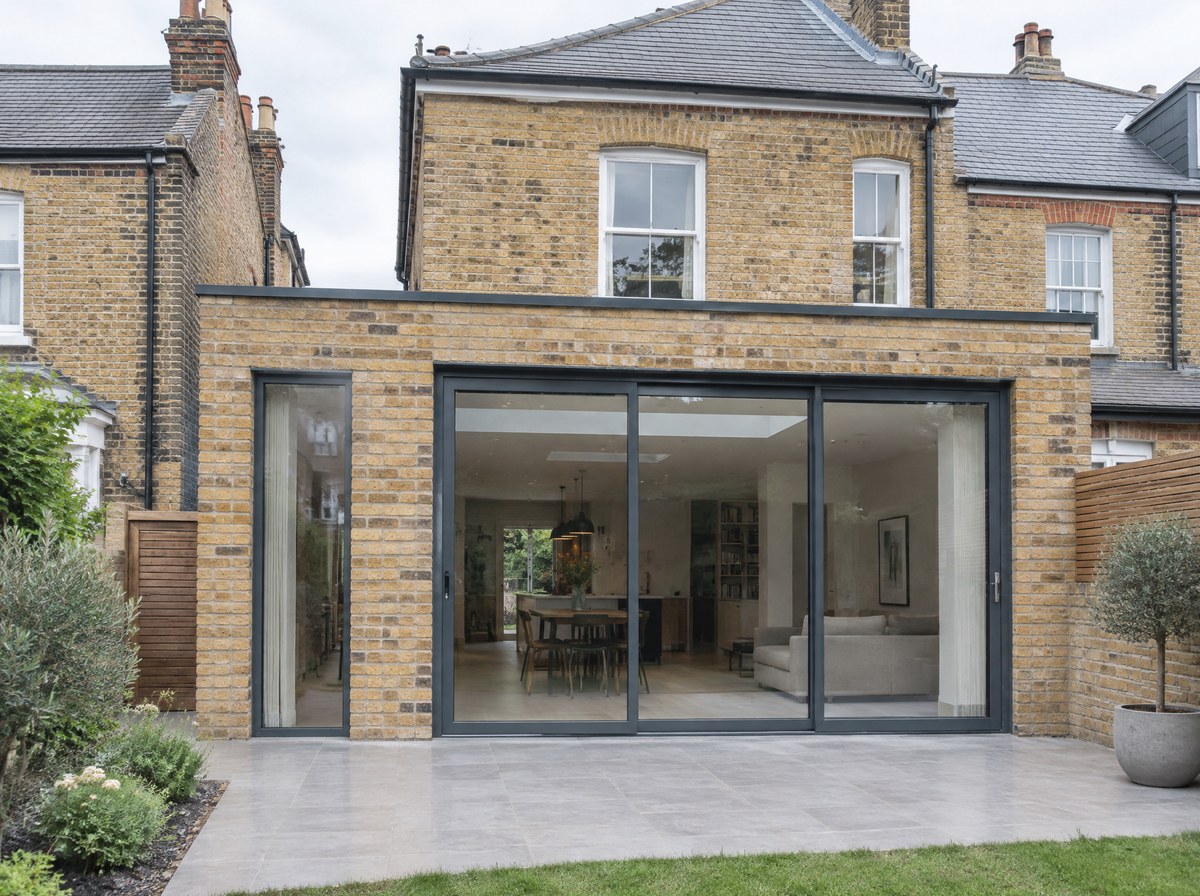
Colours
A Chiswick sash window and a Marylebone steel screen photographed together in the showroom glazing zone, one set behind the other, shallow depth of field holding the sash sharp and the steel soft.
4:3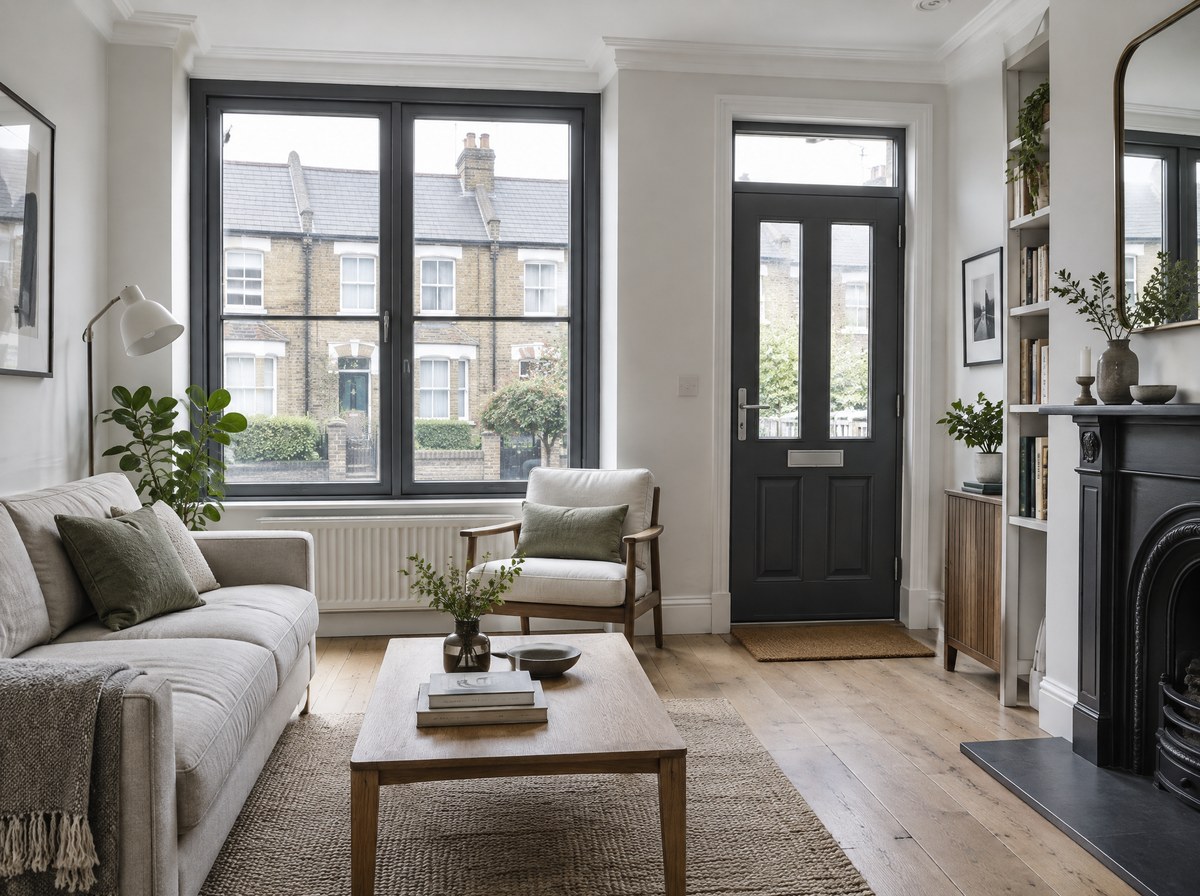
Collections
Two door corners set side by side on a white sweep — a 52 mm bi-fold sightline on the left, a 20 mm slim-sliding interlock on the right — with a steel rule laid across both for scale.
4:3
Comparisons
How to choose
Take them in order: comparison, glass, colour, hardware
Work in that order and you will not double back. The comparison guides settle the system first — sliding against folding, steel against aluminium. That decision fixes the sightline and the maximum leaf size, so it constrains everything after it.
Glass comes second, because it sets the U-value, the acoustic figure and the security rating, and it cannot be altered once the units are cut. Colour is third: it affects appearance and about two weeks of programme, nothing else. Hardware is last, and it is the only one you can change later — handles, cylinders and restrictors unscrew.
If you would rather not decide five times, take a collection. It fixes four of the decisions and leaves you one to adjust.
Compare the range
- What it decides
- Glass: thermal, acoustic, safety · Hardware: security rating and daily feel · Colours: appearance and coating life · Collections: all four at once · Comparisons: which system suits your opening
- Headline figure
- Glass: 44 dB with triple · Hardware: TS 007 three-star cylinder · Colours: 213 RAL plus anodised · Collections: 8 packages · Comparisons: 20 mm interlock against 52 mm sightline
- Effect on programme
- Glass: specials add 2 weeks · Hardware: stock finishes add none · Colours: non-stock RAL and anodising add 2 weeks · Collections: none, standard 6-8 weeks · Comparisons: none
- Who usually decides
- Glass: architect or surveyor · Hardware: homeowner · Colours: homeowner · Collections: homeowner · Comparisons: architect and homeowner together
- Changeable later
- Glass: no, units are cut to size · Hardware: yes, handles and cylinders swap · Colours: no, factory-applied · Collections: yes, up to survey · Comparisons: not applicable
Questions
Does the glass or the frame set the U-value?
Both, but the glass covers most of the area. A 4/20/4 argon unit gives a centre-pane Ug of 1.0 W/m2K. The whole-window figure we quote, Uw from 1.0, includes the frame, the spacer and the edge losses. Always compare Uw against Uw.
Which glass do I need on a busy road?
Triple glazing with a 6.8 mm acoustic laminate pane reaches 44 dB Rw. A standard 4/20/4 double unit sits around 32 dB. The difference is audible on a bus route. We measure the elevation at survey and specify per opening, not across the whole house.
Can I change one item inside a collection?
Yes, and most people change one. Any element — colour, glass make-up, handle — can be substituted up to survey. The collection saves you four decisions; it does not lock them.
Do special colours or glass delay the job?
Non-stock RAL, anodising and acoustic or solar-control glass each add about two weeks.